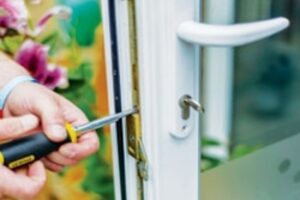
What Is Door Lock Repair And Why Is Everyone Dissing It?


Comprehensive Guide to Door Lock Repair: Techniques, Tips, and Troubleshooting
Preserving the integrity of door locks is essential for home security and security. Over time, locks may come across issues that can hinder their functionality. Whether a key gets stuck, the lock ends up being stiff, or a more complicated malfunction happens, understanding door lock repair can save homeowners time, money, and stress. This article will check out different types of door locks, typical problems, repair strategies, and ideas for maintaining lock health, all while answering frequently asked questions.
Types of Door Locks
Before delving into repair methods, it's vital to recognize the typical types of door locks. Understanding sliding glass door locks is essential for reliable repair work.
| Type | Description |
|---|---|
| Deadbolt | A lock that can not be relocated to the open position other than by turning the lock cylinder. |
| Knob Lock | A kind of lock that is installed in the door knob itself. Commonly utilized for residential security. |
| Lever Handle Lock | A lock mechanism triggered by a lever rather than a knob, offering ease of use. |
| Smart Lock | A lock that integrates electronics together with conventional locking systems, allowing control via smart device or biometric systems. |
Typical Problems with Door Locks
Regardless of the type of door lock, numerous typical concerns often arise. Here is a list of the most widespread problems property owners encounter:
- Key Sticking or Getting Stuck
- Lock Not Turning Smoothly
- Lock Cylinder Misalignment
- Lock Making Unusual Noises
- Deadbolt Not Engaging Properly
- Lock Body Loose from Door
Identifying the Problem
Before trying repairs, it is vital to precisely identify the concern with the lock. Here are some practical steps to take:
- Inspect the Key: Look for wear or damage, as this might indicate a need for a replacement.
- Analyze the Lock Cylinder: Check to see if it is firmly fastened to the door.
- Evaluate the Alignment: Ensure the lock bolt aligns well with the strike plate when locked.
- Inspect for Obstructions: Look for debris, dirt, or rust inside the lock.
Step-by-Step Guide to Door Lock Repair
1. Key Sticking or Getting Stuck
Prospective Causes: Worn-out key, filthy lock cylinder, rust.
Repair Steps:
- Clean the Lock: Use a silicone-based lube sparingly to prevent drawing in dirt.
- Change Key: If the key looks damaged, think about having a new secret made.
- Inspect for Rust: If rust exists, apply rust cleaner and lube the mechanism.
2. Lock Not Turning Smoothly
Possible Causes: Lack of lubrication, misalignment, or internal mechanism failure.
Repair Steps:
- Lubricate the Lock: Use graphite or silicone spray.
- Inspect Alignment: Adjust screws that hold the lock mechanism in place.
- Take apart and Clean: If essential, carefully take apart the lock and tidy the internal parts.
3. Deadbolt Not Engaging Properly
Prospective Causes: Misalignment, worn-out parts, or a faulty latch.
Repair Steps:
- Realign the Deadbolt: Make minor adjustments to the striker plate.
- Tighten Hardware: Inspect and tighten up screws on both the lock and the plate.
- Consider Replacement: If the deadbolt continues to malfunction, replacement might be required.
4. Lock Making Unusual Noises
Possible Causes: Lack of lubrication or worn parts.
Repair Steps:
- Lubricate: Spray silicone lube in the keyhole and moving parts.
- Check for Wear: Check internal systems for indications of wear and replace as needed.
5. Lock Body Loose from Door
Possible Causes: Loose screws or worn-out real estate.
Repair Steps:
- Tighten Screws: Ensure all screws that hold the lock to the door are tight.
- Reinforce Housing: If the real estate is harmed, it might require to be changed entirely.
6. Lock Cylinder Misalignment
Prospective Causes: Installation error or wear over time.
Repair Steps:
- Adjust Lock Position: Loosen screws, reposition the lock cylinder, and retighten.
- Inspect Door Alignment: Ensure the door itself is aligned properly in the frame.
Upkeep Tips for Longevity
To extend the life of door locks, regular upkeep is vital. Here are some pointers:
- Lubricate Regularly: Every 6 months, use a suitable lube to the keyhole and moving parts.
- Clean Locks: Remove dust and gunk actively to prevent wear.
- Check Key and Lock: Periodically check that secrets are not damaged and locks are working smoothly.
- Avoid Forcing Keys: Do not use extreme force to unlock; this can result in cylinder damage.
- Change Worn-Out Parts: If any parts reveal substantial wear, prompt replacement can avoid larger issues.
Frequently Asked Questions about Door Lock Repair
Q1: How can I inform if my door lock requires to be replaced instead of repaired?A1: If the lock is consistently malfunctioning in spite of repair work or is showing substantial wear and tear, such as a loose cylinder or damaged bolt, replacement might be more cost-efficient. Q2: What's the very best lubricant to use for door locks?A2: Graphite powder or silicone spray is typically recommended as these do not draw in dust. Q3: Can I repair a smart lock myself?A3: Basic troubleshooting such as altering batteries or resetting
gadgets can frequently be done by the house owner
, but intricate concerns might need professional support. Q4: How frequently should I keep my door locks?A4: It's advisable to examine locks biannually, especially in high-traffic areas.
Q5: Is it worth working with a locksmith for minor lock repairs?A5: While numerous small repairs can be taken on separately, utilizing a locksmith makes sure
expert evaluation and security proficiency. Comprehending door lock
repair is an important property for homeowners. Whether taking on small problems or performing regular upkeep, being informed can safeguard your home's security while saving money. By exploring kinds of locks, typical issues, reliable repair techniques, and maintenance ideas, one can make sure that their door locks remain functional and reputable for many years to come.